+255764109940 | +255769190204 | Mon - Fri: 9:00 am - 5:00 PM | Sokoine Rd, NHC-1 Block 36J Singida.
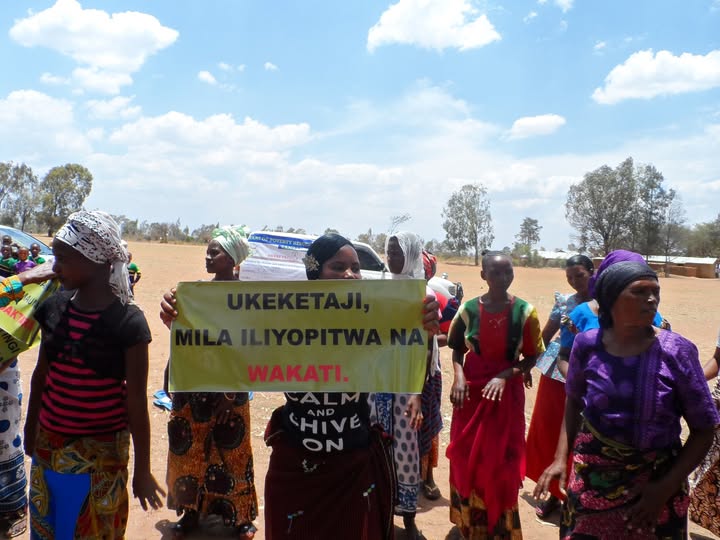
Every year on February 6th, the world observes the International Day of Zero Tolerance for Female Genital Mutilation (FGM)—a day dedicated to raising awareness and mobilizing efforts to eradicate this harmful practice. FGM is widely recognized as a human rights violation and a form of gender discrimination. It strips women and girls of their right to health, security, and bodily integrity and, in severe cases, can even result in death.
The Harsh Reality of FGM
According to the United Nations, over 200 million girls and women across 30 countries in Africa, the Middle East, and Asia have undergone FGM. This deeply ingrained tradition involves altering or injuring female genitalia for non-medical reasons and is often performed on girls between infancy and 18 years of age.
The Fight Against FGM in Tanzania
In Tanzania, The Foundation for Civil Society (FCS) has been a key player in combating FGM by providing grants and capacity-building support to grassroots organizations. Their interventions are concentrated in regions where FGM remains prevalent, including Manyara, Dodoma, Arusha, Mara, and Singida.
Understanding the Root Causes
FGM persists due to deeply rooted social norms and misconceptions. Some communities view it as a rite of passage into womanhood, while others believe it ensures marital prospects and preserves family honor. In certain cases, FGM is falsely linked to religious beliefs, despite no religious scripture endorsing it.
The global community has set an ambitious goal—to eliminate FGM by 2030, as part of the Sustainable Development Goals (SDGs).
Giving Girls the Power to Speak Up
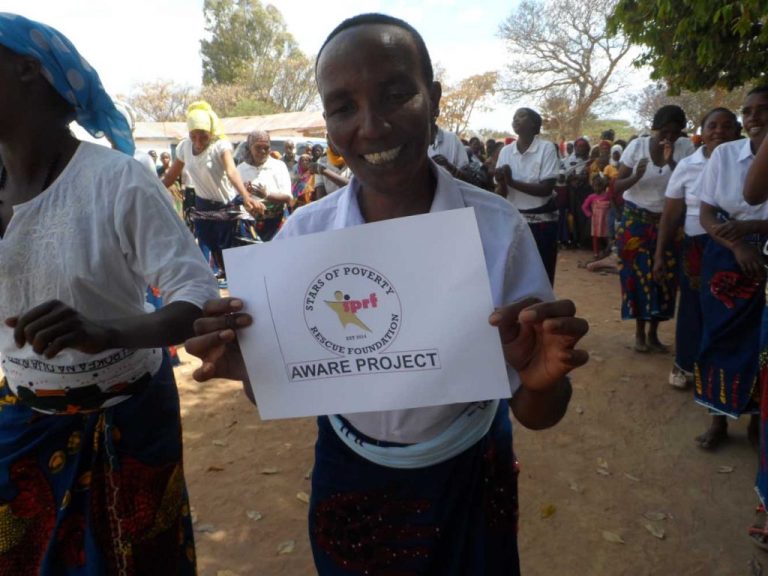
One of the organizations making a significant impact is the Stars of Poverty Rescue Foundation (SPRF). Since 2018, SPRF has been implementing Like the AWARE Project in Ikungi District, Singida Region, to empower women and girls through education on their rights and legal protections.
Women and Student Voice Clubs
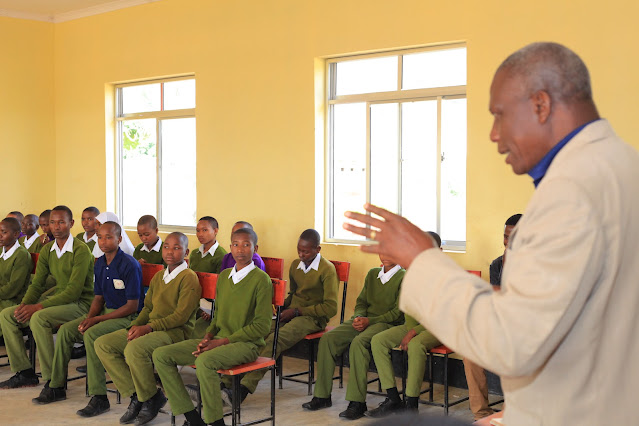
Through Women Voice Clubs (WVCs) and Student Voice Clubs (SVCs), SPRF provides girls and women with platforms to participate in decision-making and community advocacy against FGM. These clubs educate members on the laws protecting them from harmful practices, enabling them to become vocal advocates for change.
As a result of these efforts, more than 80 student debate groups (each with 20 students) have been formed, turning young people into Agents of Change who spread awareness in their schools, homes, and communities. SPRF also collaborates with local government authorities, traditional leaders, and religious figures to strengthen anti-FGM campaigns.
Technology as a Tool for Change
Technology is playing a crucial role in the fight against FGM. In one case, a mobile SMS tracking system alerted Empowered Society Transform Lives (ESTL) about two young girls—one aged two years and the other 18 months—who had undergone FGM. The two-year-old girl fell seriously ill and was hospitalized. Her mother initially hid the true cause of her injuries, but after ESTL intervened, the case was reported to the police. The traditional “surgeons” (ngaribas) responsible were arrested, convicted, and imprisoned.
Kick FGM Out of Singida, a project implemented by ESTL with FCS support, is using awareness campaigns and community mobilization to influence attitudes and promote behavioral change. By developing anti-FGM platforms and strengthening local government capacities, the initiative is helping to eliminate FGM in Singida Region.
The Power of School Clubs
School-based interventions have also been instrumental in preventing FGM. At Karansi Secondary School, the UWAZI Club successfully rescued a student whose parents were pressuring her to undergo FGM. Initially, she believed the practice was normal due to her Maasai cultural background. However, after joining the UWAZI Club, she learned about the harmful effects of FGM and refused to undergo the procedure. With support from her teacher and school administration, her family was educated on the dangers of FGM, ultimately leading to a change in their stance.
The UWAZI Club is part of interventions led by the Kilimanjaro Women Information Exchange Organisation (KWIECO), demonstrating how school-based education can reshape perceptions and protect young girls.
Community Task Forces: A Lifeline for Victims
The Association for the Termination of Female Genital Mutilation (ATFGM) has taken a community-driven approach to combat FGM by engaging local government authorities, police, religious leaders, and traditional elders. Recognizing the importance of timely intervention, ATFGM established a task force of 25 trained members from 25 villages, who act as watchdogs in their communities.
Using mobile technology, task force members report FGM cases directly to ATFGM, which then alerts the police gender desks for swift action. Between January and June 2018, the task force reported 27 cases, including:
- 3 cases of FGM
- 8 cases of rape
- 7 cases of early child marriage
- 5 cases of marital conflicts
- 3 cases of child confinement
- 1 land ownership dispute
Thanks to these interventions, several cases have been settled, and perpetrators are being held accountable.
A Call to Action
FGM is a grave violation of human rights, and its eradication requires collective action from governments, communities, and civil society organizations. Initiatives like those led by SPRF, ESTL, KWIECO, and ATFGM prove that education, advocacy, and law enforcement can create lasting change.
By amplifying voices, leveraging technology, and empowering communities, we can ensure a future where no girl has to suffer the pain of FGM. Together, we can break the cycle and give every girl the right to a safe and healthy future.